‘The Book of the Human Body’ Surveys 2,000 Years of Remarkable Anatomical Inquiry
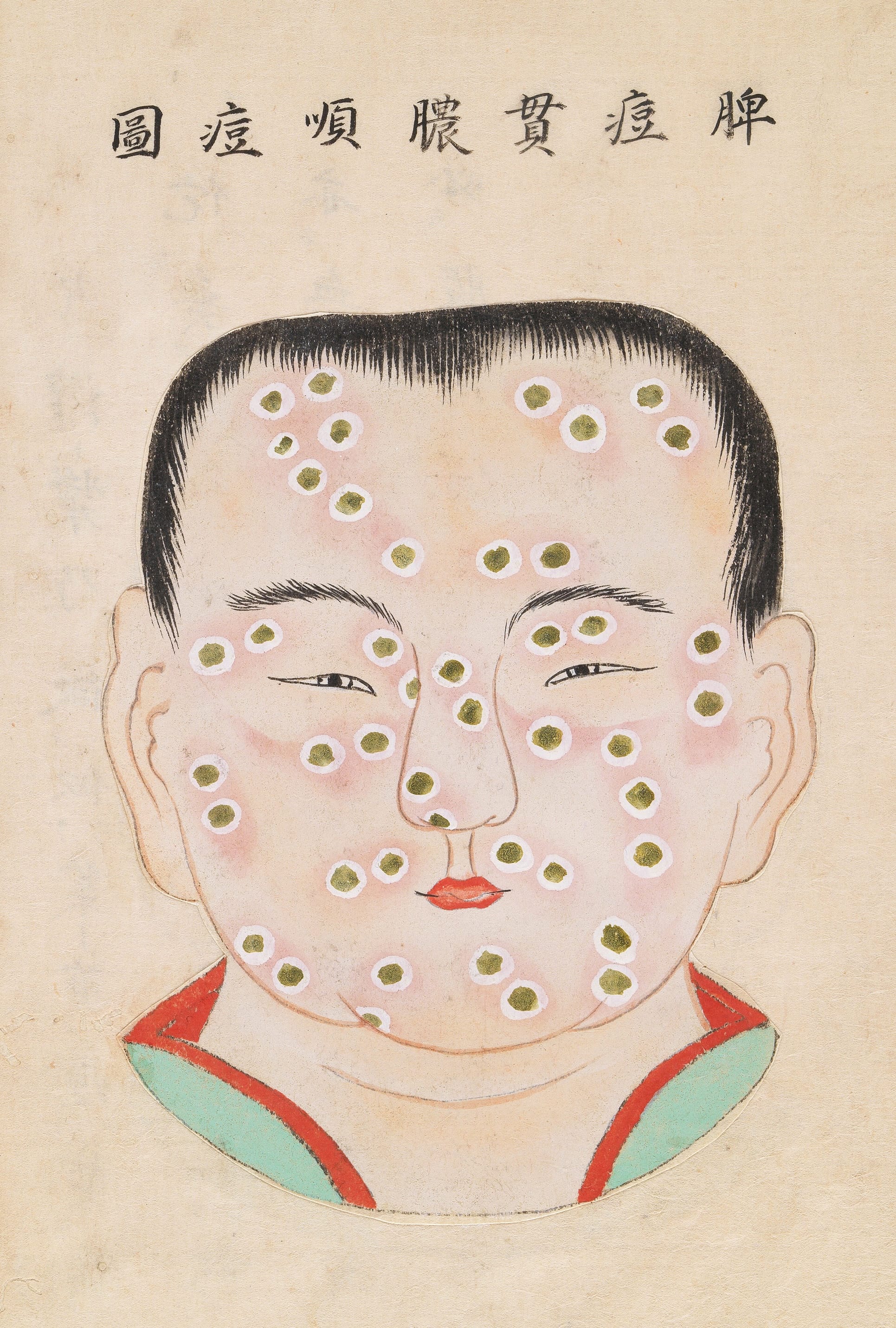
As long as humans have been around, we’ve been curious about existential questions like, Why are we here? And how do things work? That goes for our own bodies, too. But in our era of modern science and medicine, it’s difficult to imagine a time when physicians weren’t familiar with all of the bones in the skeleton, how a baby grows inside a womb, or how the cardiovascular system works. Even the profession that comes to mind when we think of a doctor didn’t really emerge until the past few centuries. During the medieval period, barber-surgeons were the primary medical practitioners (yes, the people who cut hair also conducted surgeries).
As medicine morphed into a scientific and intellectual pursuit, academies cropped up starting in the late 1700s, such as the College of Philadelphia—the first medical school in the U.S.—and the Edinburgh School of Surgery in Scotland. Ethics were, let’s say, malleable. In Edinburgh, a legal shortage of fresh cadavers used for study in the early 1800s spawned a shady underground trade in bodies, many of which were dug up from new burials in the dead of night. And then there were the famous serial murders committed by William Burke and William Hare, who cashed in by selling well over a dozen of their victims’ corpses to anatomist Robert Knox for use during his lectures. Suffice it to say, some scholars really wanted to understand our innards.
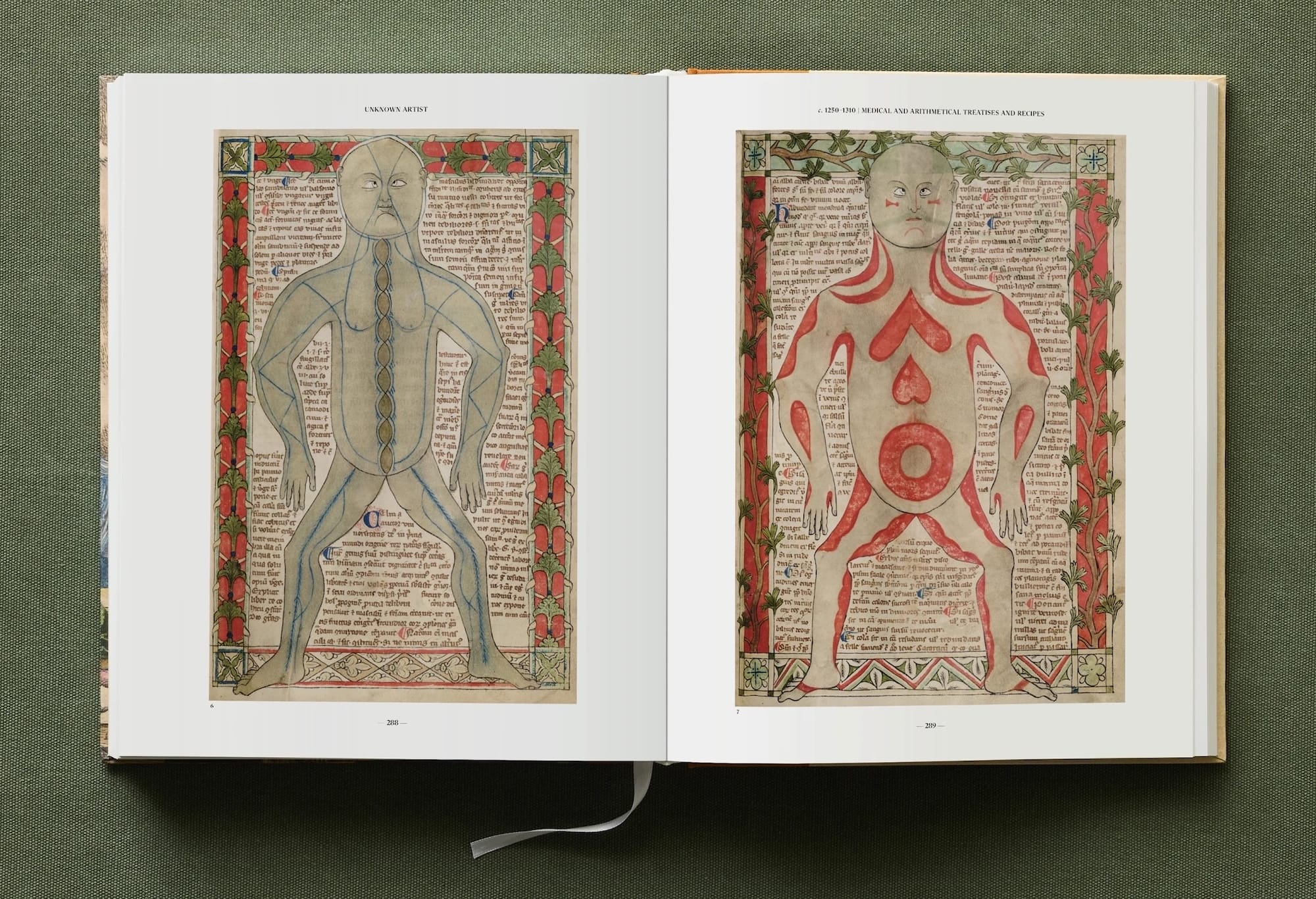
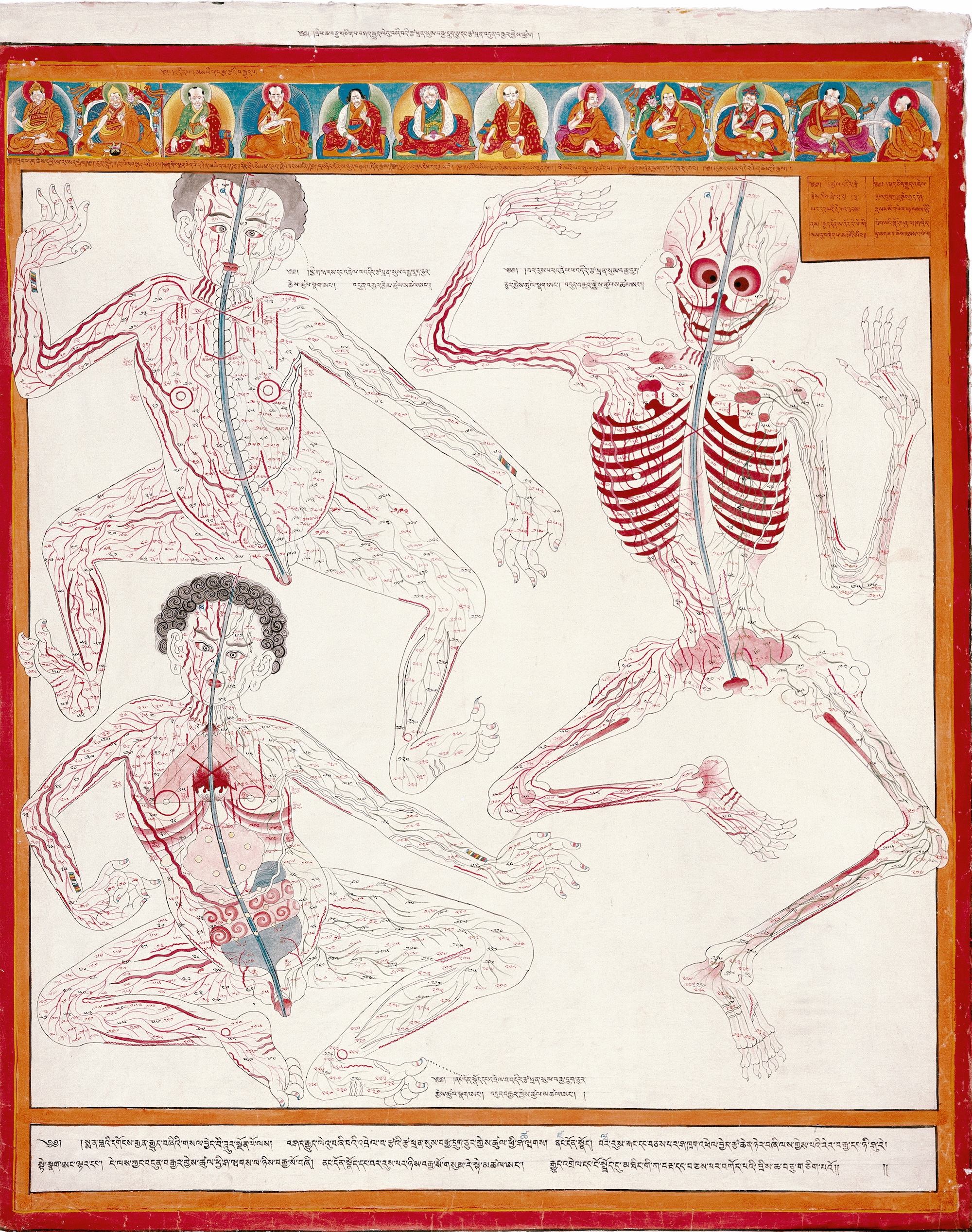
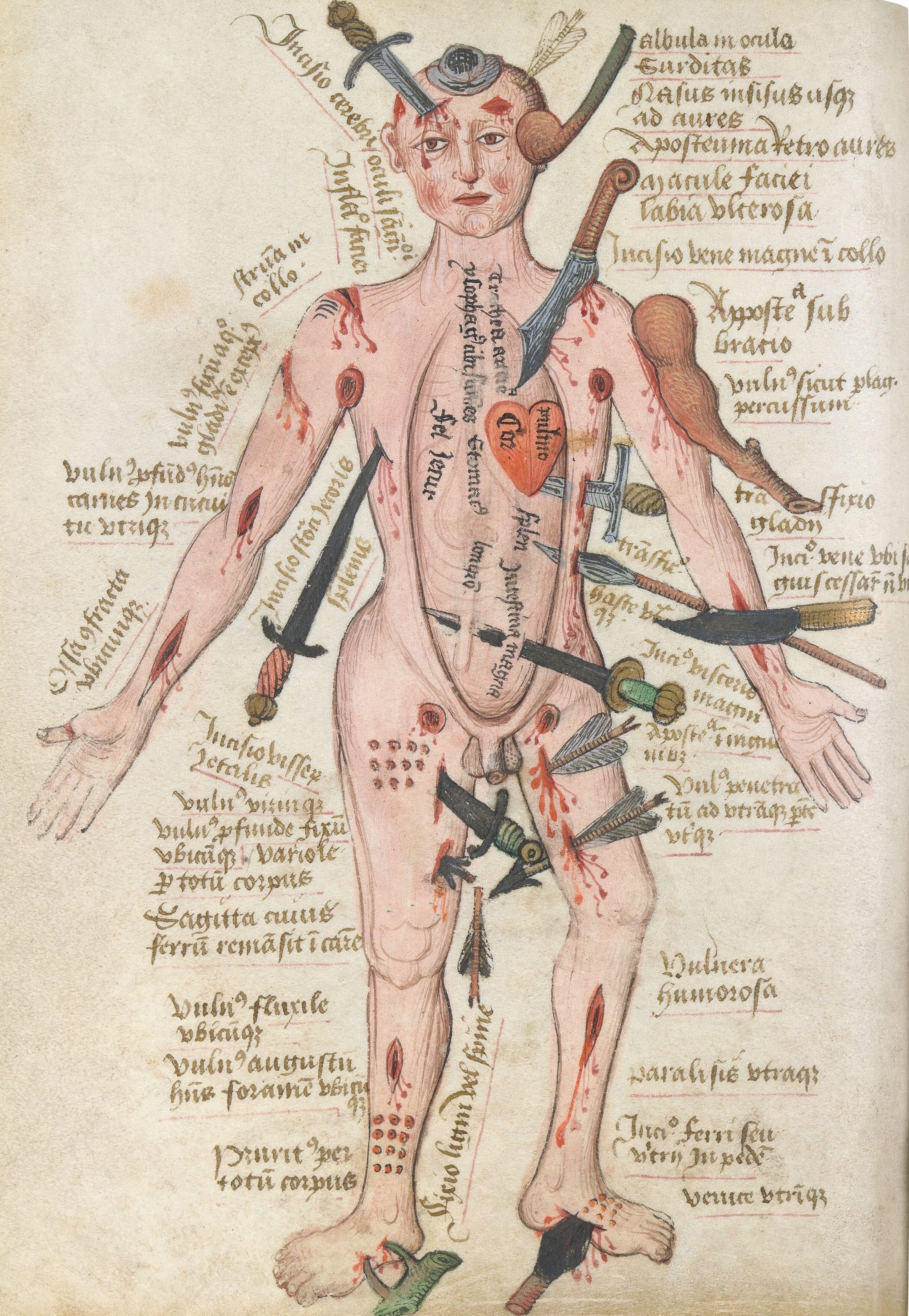
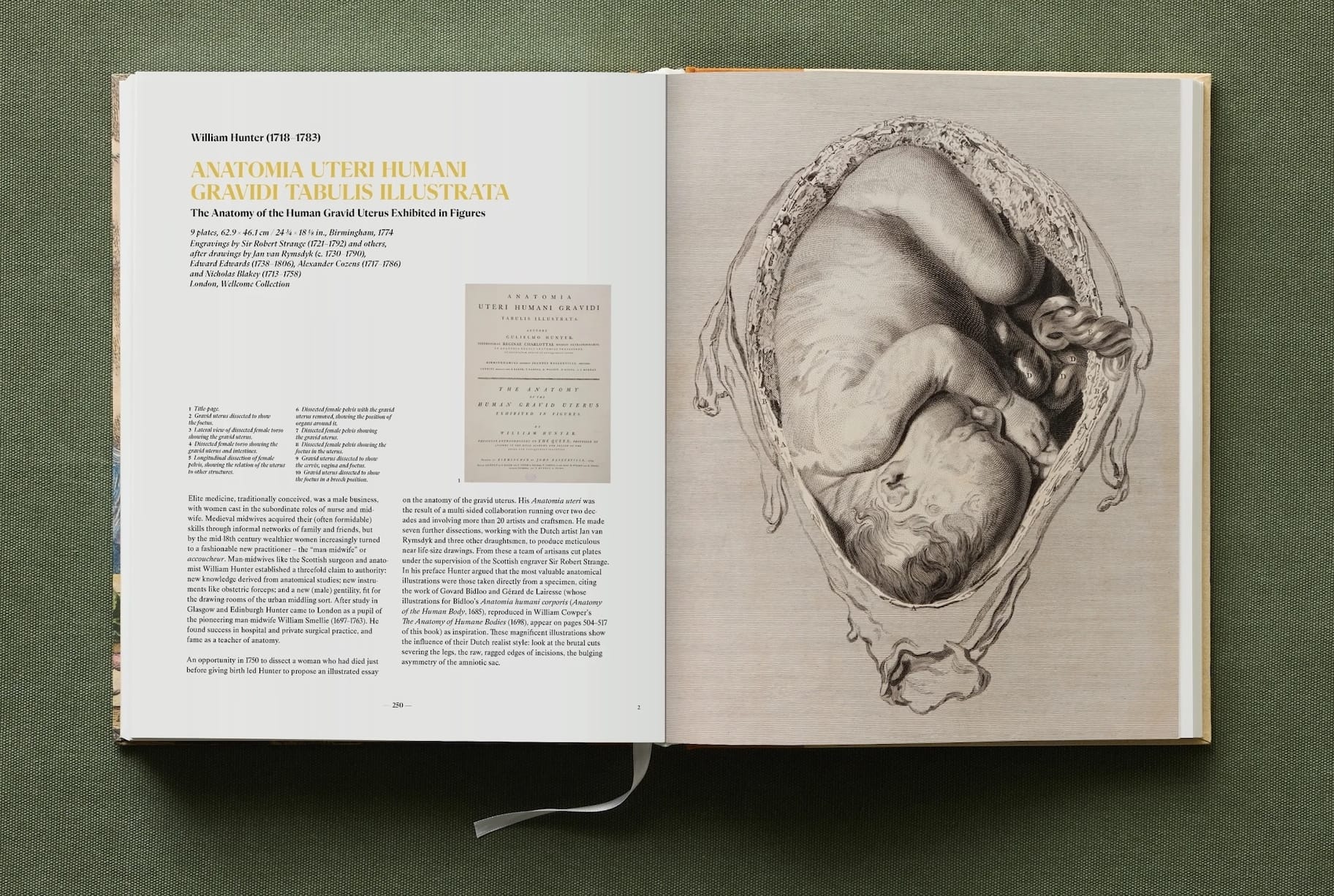
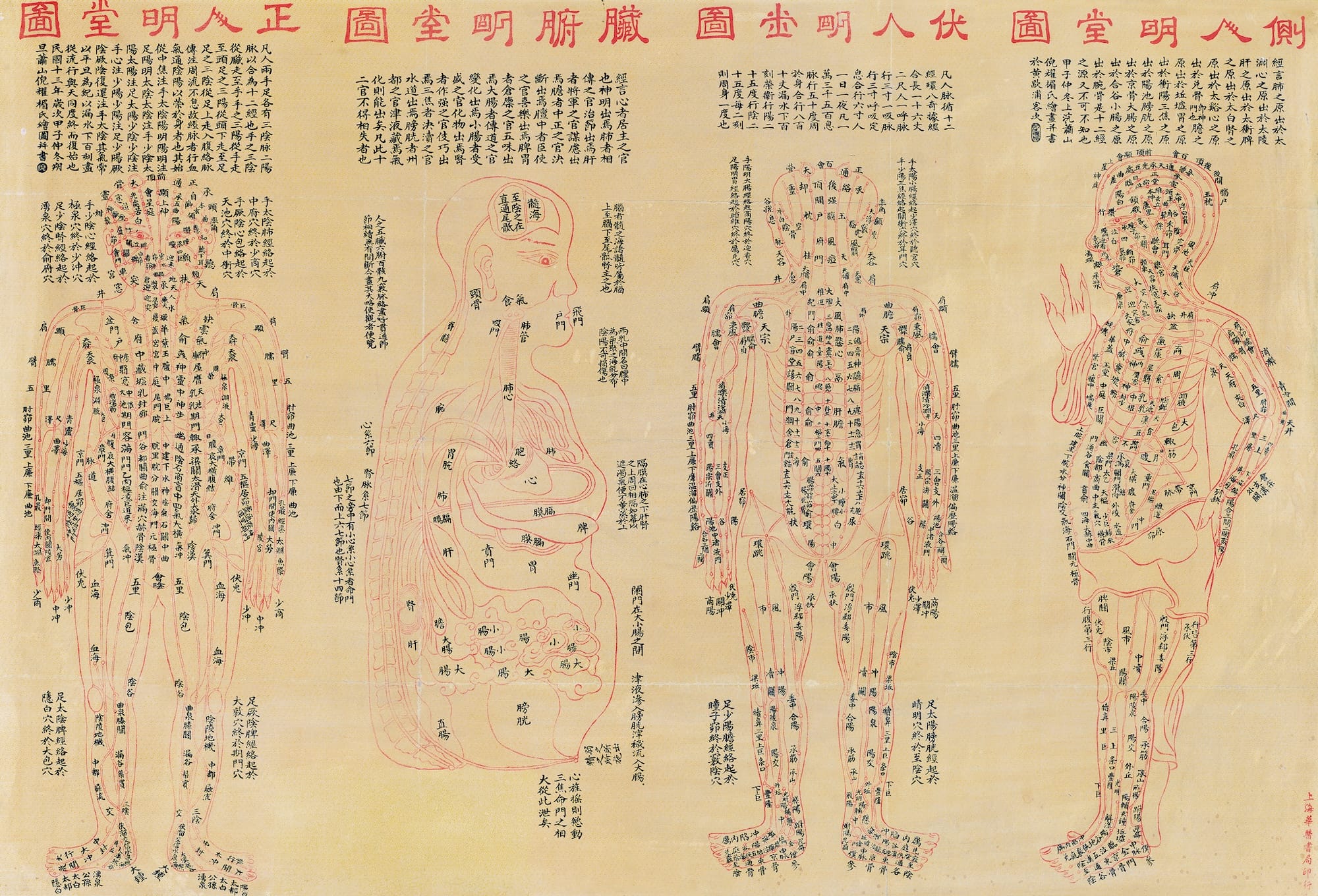
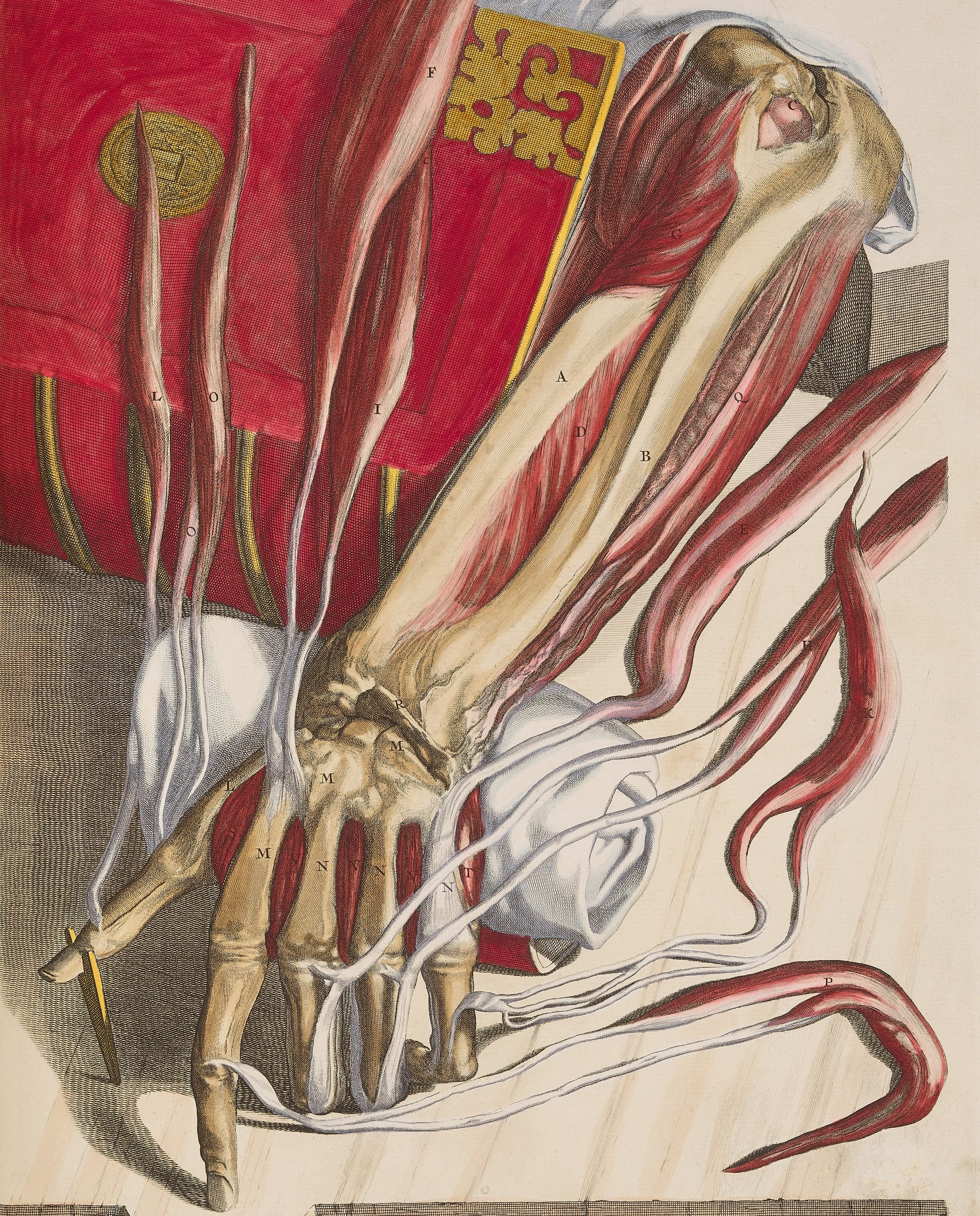
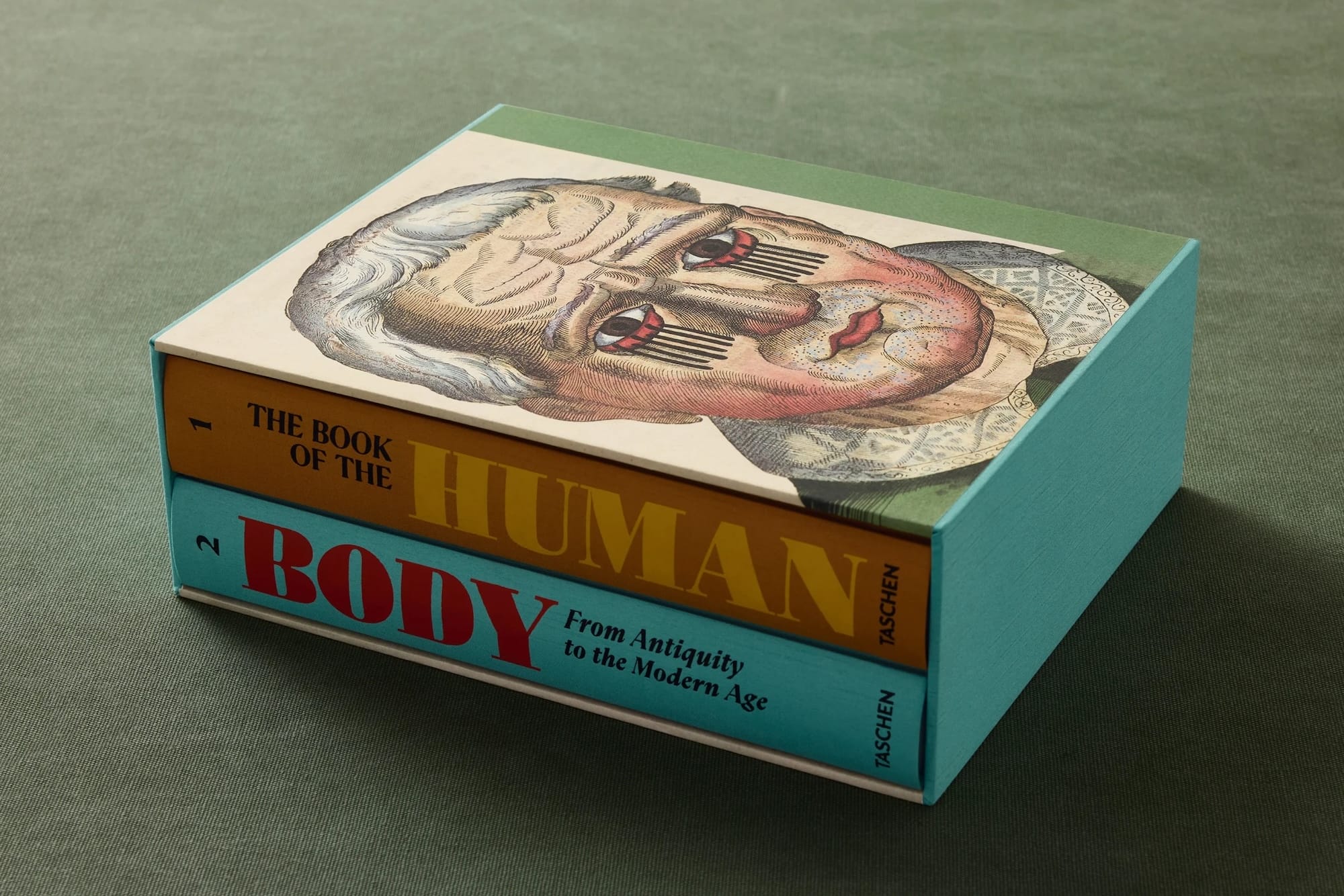
Slated for release in January, The Book of the Human Body delves into the art and science of anatomy, disease, reproduction, and more. Published by TASCHEN, the two-volume set compiles more than 950 images from over 75 rare books and manuscripts from around the world. From ancient analyses to medieval studies to modern diagrams, the anthology surveys the breadth of eras and cultural influences that have shaped our understanding of our physical selves.
Authored by medical historian Richard Barnett, the book celebrates universality and unquenched curiosity. Despite sleeping, breathing, and walking around in our bodies every day, we are often still mystified by much of what makes them work. Throughout history, that sense of wonder has remained constant. Barnett says, “Whatever they might represent, whatever they might express, these extraordinary images have lost none of their power to shock or captivate, to teach or inspire.”
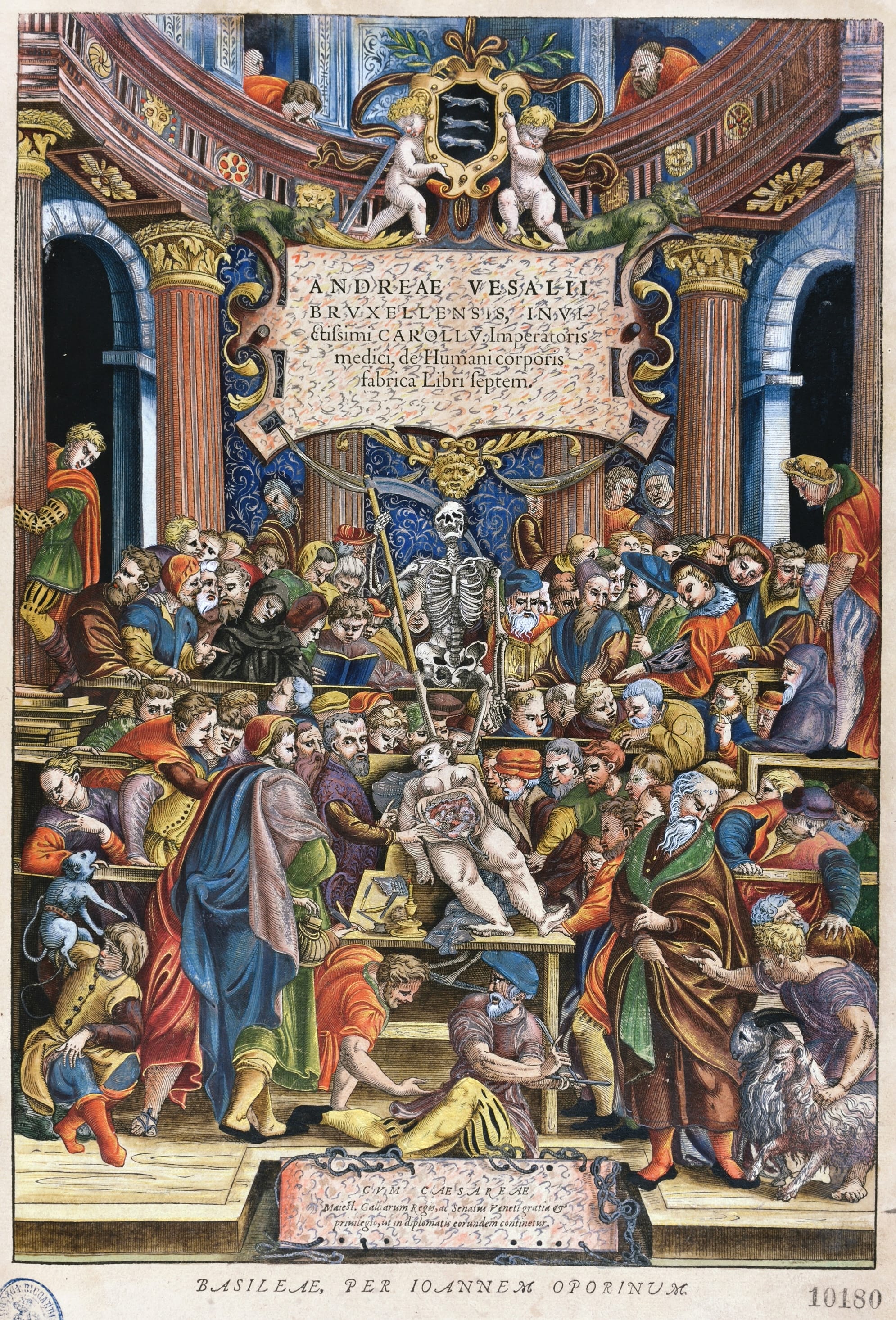
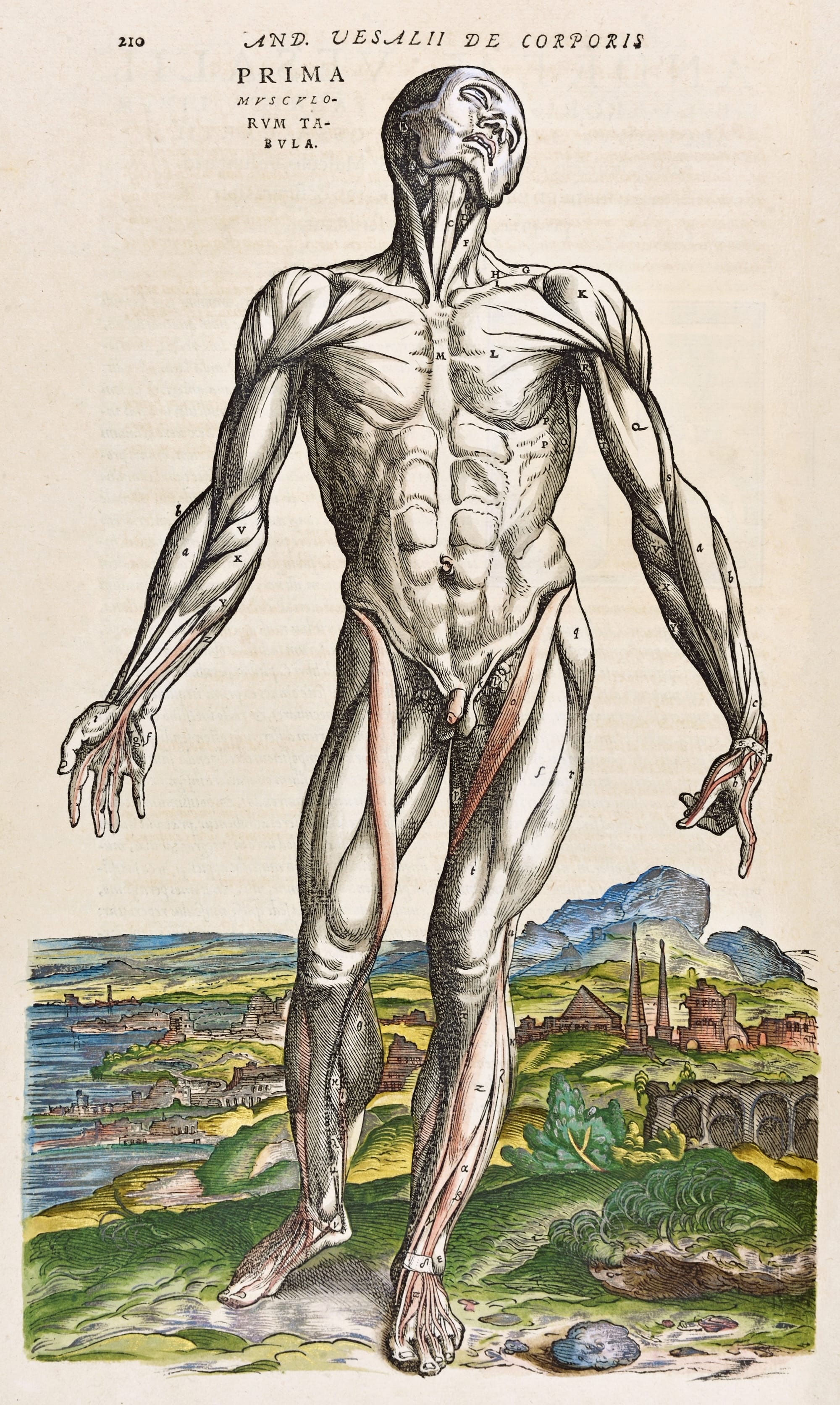
Illustrations include a silk manuscript dated to 168 B.C.E., discovered in a tomb in southern China, which features 44 figures engaged in exercises of “self-cultivation,” plus excerpts from Andreas Vesalius’s anatomical atlas, Fabrica, published in 1543. “In all of these examples, the illustrations stand out not only as objects of medical understanding, but as conspicuous works of art in their own right,” the publisher says.
Pre-order your copy on Bookshop.
Do stories and artists like this matter to you? Become a Colossal Member today and support independent arts publishing for as little as $7 per month. The article ‘The Book of the Human Body’ Surveys 2,000 Years of Remarkable Anatomical Inquiry appeared first on Colossal.